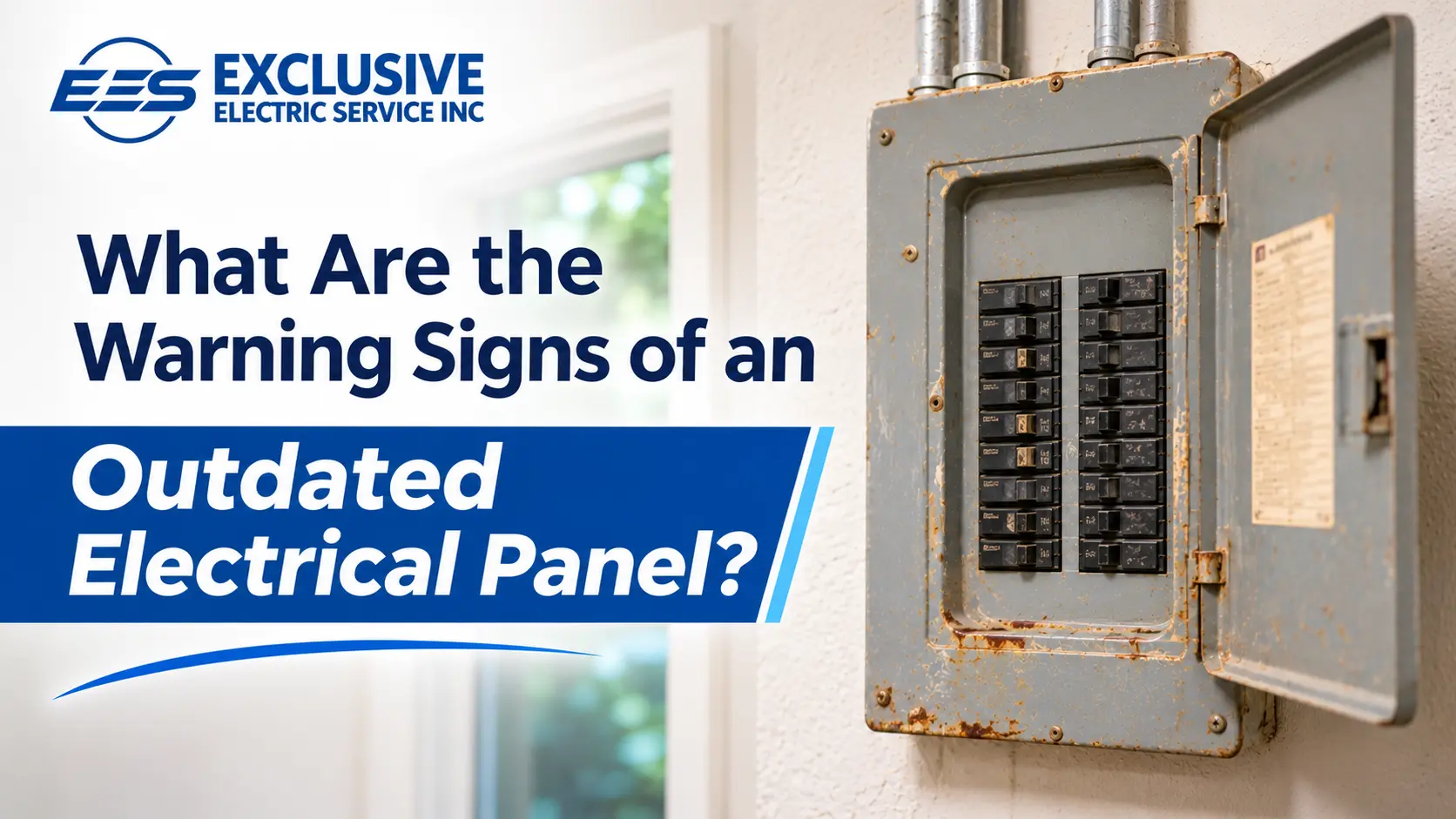
An electrical panel may sit unnoticed in a garage, utility room, or hallway for years. Meanwhile, the home around it changes. New appliances are installed, air-conditioning systems are replaced, and additional electrical equipment becomes part of everyday life. Although the panel may still look familiar, its condition and capacity deserve attention as electrical demands increase.
Common outdated electrical panel signs include visible corrosion, overheating symptoms, limited circuit space, and equipment that can no longer support the property’s electrical needs. However, an older panel does not automatically require replacement. Understanding the difference between normal aging and genuine electrical concerns helps homeowners make informed decisions about inspection and upgrades.
What Makes an Electrical Panel Outdated?
An electrical distribution panel receives power from the electrical service and distributes it through protected branch circuits. Inside the enclosure, circuit breakers connect to busbars and protect the wiring supplying different parts of the home. The main breaker, where provided, serves as a disconnecting means for the electrical installation.
A panel may become outdated because its components have deteriorated, replacement parts are no longer suitably available, or its design cannot accommodate necessary electrical improvements. In other cases, the equipment remains functional but lacks sufficient capacity for planned additions.
| An important distinction: Age alone does not determine whether an electrical panel is unsafe. Its condition, equipment type, installation history, and compatibility with present electrical requirements are more useful indicators. |
Six Warning Signs an Electrical Panel Needs Attention
Some electrical panel problems are visible from outside the enclosure, while others become apparent through changes in household electrical performance. The following signs can help identify when a professional condition assessment is appropriate.
1. Rust, Corrosion, or Visible Deterioration
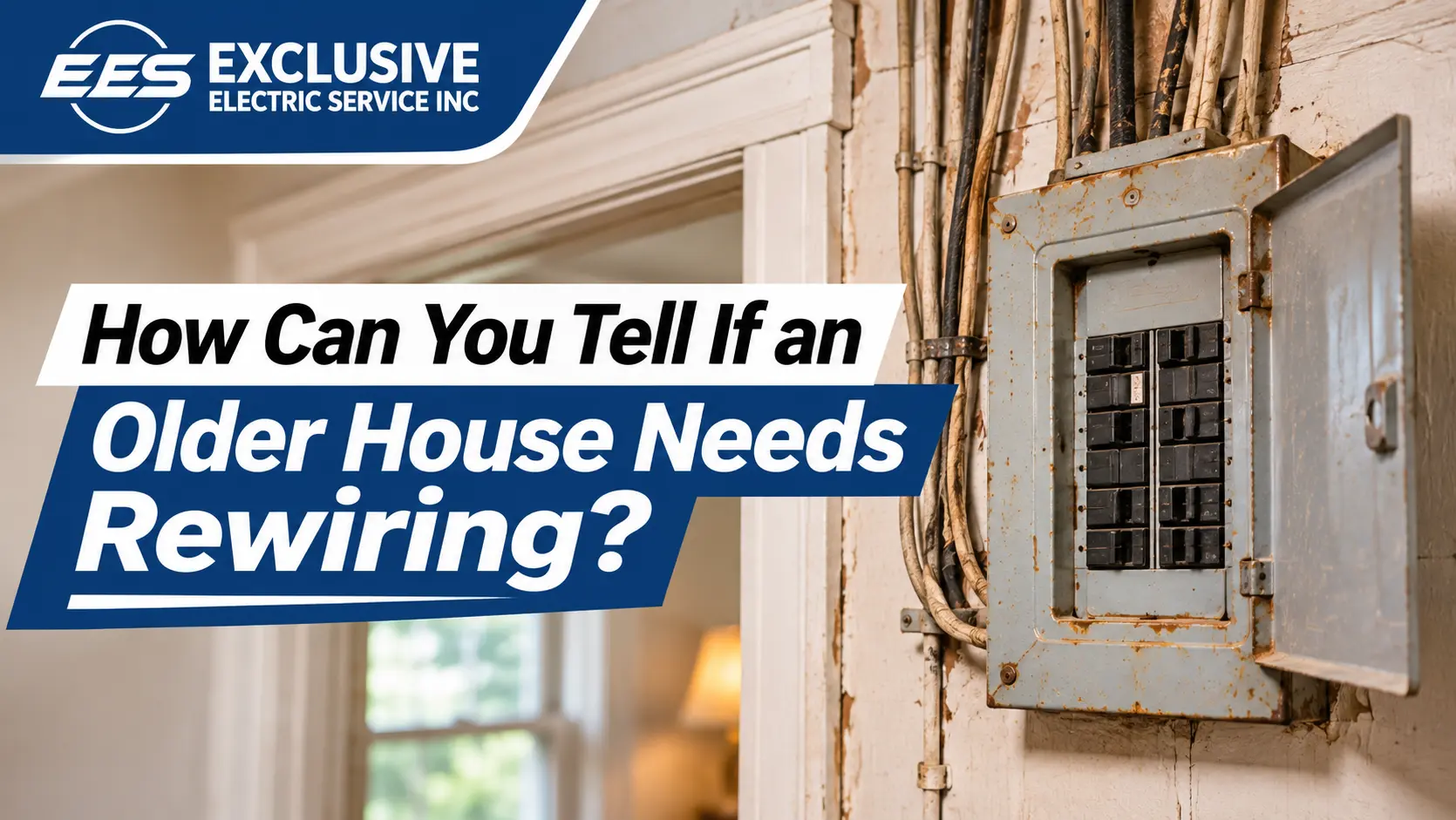
Rust around the panel enclosure, discoloration near openings, or evidence of past water exposure may indicate that moisture has reached the equipment. Corrosion can affect electrical connections and interfere with reliable operation, particularly when internal components have been exposed.
In South Florida, humidity, wind-driven rain, and coastal conditions make moisture protection especially important. However, surface rust does not automatically prove that the internal busbar or breakers have failed. A qualified electrician must evaluate the extent of deterioration and determine whether repair or replacement is appropriate.
2. Burning Odors or Signs of Overheating
A burning smell near an electrical panel should never be dismissed as ordinary aging. Overheating can develop when electrical connections deteriorate, components become damaged, or equipment operates under abnormal conditions.
Warning signs may include discoloration, unusual buzzing, crackling noises, or visible damage around the enclosure. These symptoms can indicate potentially dangerous electrical conditions even when the lights and appliances continue working.
If smoke, active sparking, or a burning odor is present, occupants should stay clear of the equipment and seek urgent professional assistance. A damaged panel should not be opened or touched.
3. Limited Space for Additional Circuits
An aging breaker panel may have little room for additional circuits, particularly in homes that have undergone several renovations. Adding a new air conditioner, EV charger, or major appliance may require electrical work that the existing arrangement cannot readily accommodate.
However, a full breaker panel does not necessarily mean the home has exceeded its electrical service capacity. Available breaker positions and total electrical load are separate considerations.
An electrician can evaluate the circuit arrangement, equipment compatibility, and calculated load before deciding whether a different panel configuration or service upgrade is needed.
4. Electrical Demand Has Increased Over Time
A home’s original electrical installation may have been designed around fewer appliances and different usage patterns. Modern kitchens, home offices, cooling equipment, and vehicle charging systems can change how electricity is distributed throughout the property.
A panel rated for a particular amperage is not automatically inadequate simply because it is old. The important question is whether the entire electrical service can safely accommodate the home’s calculated demand.
When major equipment is added, an electrical load assessment can establish whether existing capacity is sufficient or an upgrade should be considered.
5. Older or Obsolete Panel Equipment
Some older electrical panel models deserve particular attention because of documented performance concerns, limited replacement-part availability, or equipment compatibility issues.
For example, certain Federal Pacific Electric Stab-Lok and Zinsco panel installations have longstanding safety concerns. However, equipment condition and the specific model must be identified rather than judged solely by appearance or age.
Homeowners should have an electrician verify the panel manufacturer, model, breaker compatibility, and service history. Installing an unsuitable replacement breaker can introduce additional hazards instead of correcting an existing problem.
6. Recurring Electrical Problems Throughout the Home
Frequent power interruptions, unexplained light dimming, or repeated electrical faults may indicate that part of the home’s electrical distribution system needs attention. These symptoms can involve the panel, but they may also originate from individual circuits, appliances, or wiring connections.
A single breaker trip does not establish that panel replacement is necessary. However, recurring symptoms across different circuits deserve a broader electrical inspection, particularly when the installation is older or has undergone previous modifications.
Which Panel Warning Signs Require Urgent Attention?
Not every electrical panel concern has the same level of urgency. A lack of breaker space may require planning before a renovation, while visible overheating can indicate an immediate safety problem.
| Warning Sign | What It May Indicate | Recommended Response |
| Burning odor or smoke | Overheating or electrical damage | Stay clear and seek urgent assistance |
| Buzzing or crackling | Possible arcing or loose connections | Arrange prompt professional inspection |
| Rust or water stains | Moisture exposure or corrosion | Have the panel condition assessed |
| Repeated circuit interruptions | Circuit, breaker, or distribution problem | Schedule electrical diagnosis |
| No room for new circuits | Limited panel configuration | Request a capacity evaluation |
| Older equipment with unavailable parts | Obsolete or incompatible components | Discuss replacement options |
These observations help prioritize concerns but cannot confirm the condition of internal electrical components. Even a panel that looks normal from the outside may require professional testing when recurring problems occur.
Does an Old Electrical Panel Always Need Replacement?
Not necessarily. A properly maintained electrical panel may remain serviceable for many years, provided its components are in suitable condition and the installation meets the property’s requirements.
Replacement becomes more likely when significant corrosion, damaged busbars, obsolete equipment, or other defects make continued operation unsuitable. Inadequate capacity may also justify an upgrade, especially when additional electrical loads are planned.
On the other hand, some problems can be corrected through targeted repairs or changes to individual circuits. The appropriate decision depends on the inspection findings rather than the panel’s installation date alone.
Panel Repair, Replacement, or Service Upgrade?
These options address different electrical needs.
- Panel repair: May address a specific fault when the equipment remains suitable and compatible parts are available.
- Panel replacement: Involves replacing the existing distribution equipment because of condition, configuration, or equipment limitations.
- Electrical service upgrade: May involve increasing the available service capacity, with associated changes to conductors, equipment, and utility coordination.
A new panel does not automatically increase the amount of electricity available to a home. Service capacity depends on more than the breaker enclosure, which is why load calculations and equipment evaluation matter.
What Should Homeowners Check Without Opening the Panel?
Homeowners can recognize certain warning signs without exposing themselves to energized electrical components. The safest approach is to observe the exterior condition and note changes in electrical performance.
A basic review can include:
- Check the visible enclosure. Look for rust, water stains, discoloration, or physical damage without removing covers.
- Listen for unusual sounds. Buzzing, crackling, or sizzling near the panel should prompt professional attention.
- Observe household electrical performance. Note unexplained dimming, recurring interruptions, or problems affecting multiple circuits.
- Review upcoming electrical additions. Consider whether renovations, major appliances, or EV charging equipment will change electrical demand.
- Check available records. Previous inspection reports and installation documents may help establish the panel’s age and service history.
Important Safety Tip: Homeowners should never remove the electrical panel’s dead-front cover to inspect breakers, busbars, or internal wiring. Hazardous voltage may remain present even when a main disconnect is switched off.
Why Panel Condition Matters in South Florida Homes
Electrical panels in Pompano Beach may be affected by environmental conditions and changes in household electrical use. Coastal air, humidity, and heavy rainfall can contribute to deterioration when electrical equipment is exposed to moisture or installed in unsuitable conditions.
Air-conditioning equipment is another consideration. Replacing an older cooling system or adding major electrical appliances can change circuit requirements, although these changes do not automatically justify replacing the panel.
For older homes, the more useful approach is to consider equipment condition, electrical service capacity, and planned improvements together. This helps distinguish actual safety concerns from assumptions based solely on property age.
What Happens During a Professional Electrical Panel Assessment?
A qualified electrician evaluates the existing equipment to determine whether it remains suitable for continued use. The assessment may include reviewing the panel’s rating, condition, breaker compatibility, service capacity, and the electrical demands of connected equipment.
Depending on the installation, the electrician may also examine signs of overheating, connection deterioration, or improper previous modifications using appropriate safety procedures.
Any recommended work should account for applicable National Electrical Code requirements, Florida electrical regulations, and local permitting rules. The National Electrical Code, published as NFPA 70, provides standards for electrical installations, while locally adopted requirements determine what applies to a particular project.
For homeowners considering changes to aging equipment, professional electrical panel upgrades can address verified capacity limitations or equipment conditions that make replacement appropriate.
Frequently Asked Questions
How Old Is Too Old for an Electrical Panel?
There is no single age at which every electrical panel must be replaced. Its condition, manufacturer, component availability, installation quality, and ability to meet current electrical needs are more important than age alone.
Can an Electrical Panel Be Unsafe Without Visible Damage?
Yes. Internal connection problems, incompatible breakers, or deteriorated components may not be visible from outside the enclosure. Professional inspection is necessary when there are recurring symptoms or concerns about specific equipment.
Does a 100-Amp Panel Always Need an Upgrade?
No. A 100-amp service may be suitable for some homes, depending on their calculated electrical loads. Larger appliances, additions, and other electrical improvements may change the capacity required.
Can Corrosion Inside an Electrical Panel Be Repaired?
The appropriate solution depends on which components are affected and how severely they have deteriorated. Significant damage to critical components may make replacement necessary.
Is a Permit Required for Electrical Panel Replacement in Florida?
Electrical panel replacement generally requires permitting under applicable Florida and local building requirements, subject to the scope of work and any exceptions. Homeowners should confirm the specific process with their local building department.
Final Thoughts: Evaluate the Panel Before Deciding on Replacement
An aging electrical panel is not automatically unsafe, but visible corrosion, overheating symptoms, obsolete equipment, and inadequate capacity deserve proper evaluation. These warning signs help homeowners recognize when the electrical distribution system may no longer meet the property’s needs.
A professional assessment can determine whether the existing equipment remains suitable, requires targeted repairs, or should be replaced. For homeowners in Pompano Beach, FL, Exclusive Electric Service Inc. provides electrical panel upgrade services to address aging equipment and changing electrical needs. Identifying the actual condition of the panel helps homeowners make informed decisions without replacing equipment unnecessarily.