An older home may have updated kitchens, modern appliances, and freshly painted walls, yet much of its electrical wiring could still be decades old. Everything might appear to work normally until an outlet starts overheating, lights flicker unexpectedly, or a renovation reveals deteriorated insulation behind the walls.
When Is Rewiring Actually Necessary?
Rewiring becomes necessary when existing electrical conductors or connections are no longer suitable for safe operation, or when planned improvements cannot be supported by the current installation.
For example, replacing a single damaged circuit may resolve an isolated problem. But a house with deteriorating insulation across multiple circuits, extensive improper alterations, or widespread wiring defects may require more comprehensive replacement.
The key is identifying whether the problem affects one section of the electrical system or extends throughout the property.
Important distinction: An older electrical installation is not automatically unsafe. Its materials, condition, previous modifications, and ability to meet current requirements matter more than its age alone.
Five Warning Signs That Deserve a Closer Look
Wiring problems are not always visible. Some become noticeable through everyday electrical use, while others are discovered during remodeling or professional inspections.
Damaged or Crumbling Wire Insulation
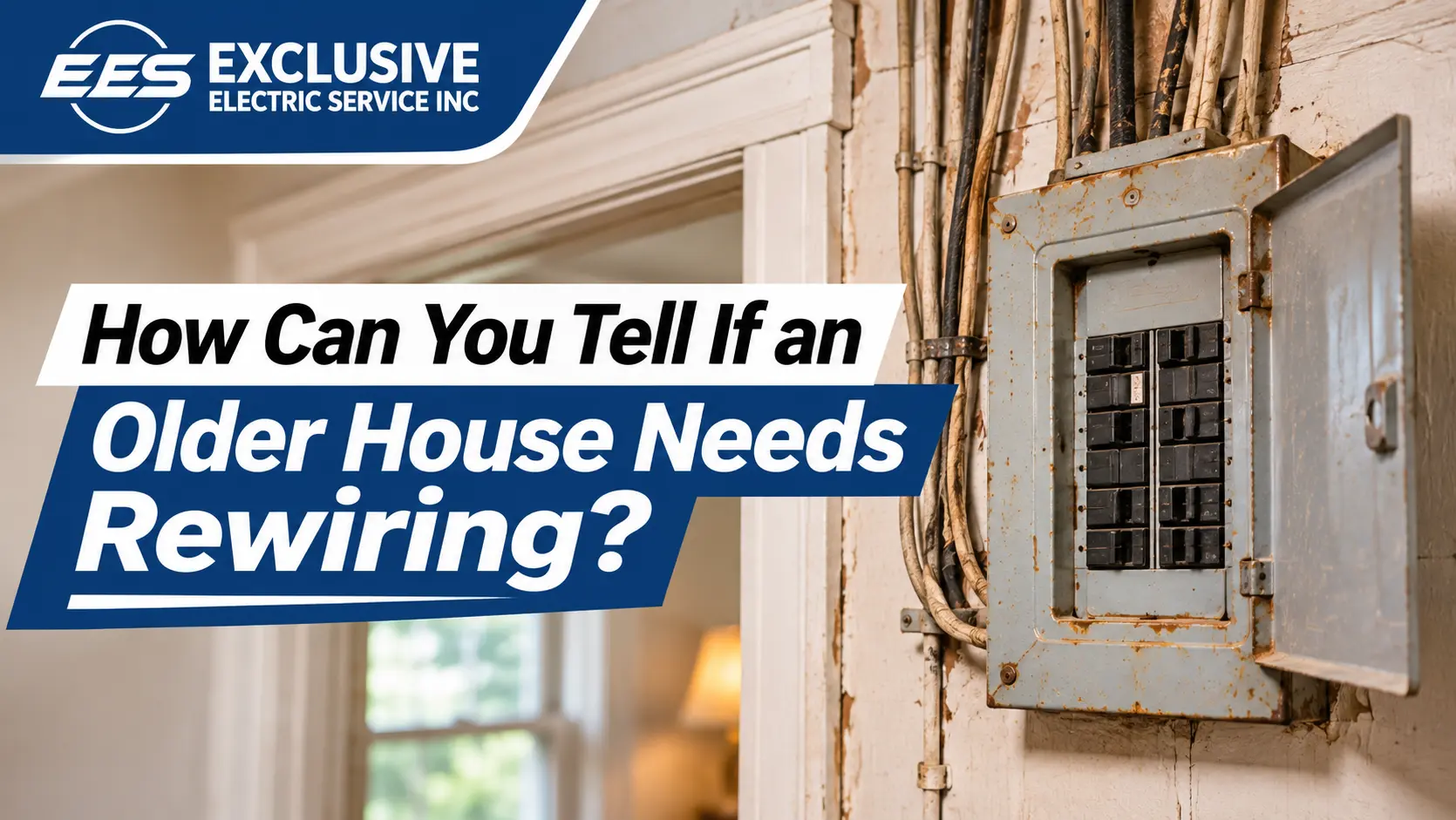
Electrical insulation prevents conductors from contacting surrounding materials or other wires. Over time, certain older insulation materials can become brittle, cracked, or damaged by heat and physical disturbance.
Older cloth-insulated wiring may deserve particular attention when its insulation is deteriorating. Exposed or damaged conductors can increase the risk of short circuits and electrical faults, especially when wiring is disturbed during renovations.
Homeowners should not touch or move exposed wiring to inspect its condition.
Outlets Without Proper Grounding
Two-slot receptacles are common in some older homes and may indicate circuits without an equipment grounding conductor. Grounding provides an important safety function when certain electrical faults occur.
However, installing a three-slot outlet does not automatically create a grounded circuit. Some older installations may use permitted GFCI protection as an alternative under specific conditions, but this does not provide an actual equipment ground.
A qualified electrician can determine whether grounding improvements, additional protection, or new wiring are appropriate.
Aluminum or Obsolete Wiring Systems
Some houses built during the 1960s and 1970s contain solid aluminum branch circuit wiring. Certain older installations have documented concerns involving overheating at electrical connections.
Knob-and-tube wiring, found in much older properties, presents different considerations, including a lack of equipment grounding and possible insulation deterioration.
Neither wiring type should be evaluated through assumptions alone. The specific materials, connections, previous alterations, and overall condition determine the appropriate response.
Repeated Electrical Problems
Flickering lights, intermittent outlets, unexplained power interruptions, and burning odors can indicate electrical faults. While these symptoms may involve damaged wiring, they can also originate from appliances, receptacles, or electrical panel components.
For instance, one malfunctioning outlet may need a localized repair rather than complete home rewiring. Problems appearing across several unrelated circuits, however, may justify a broader assessment.
Burning odors, visible sparking, or unusually hot electrical equipment require prompt professional attention.
Too Few Circuits for Everyday Needs
Older homes were often designed around different electrical demands. Modern kitchens, air-conditioning systems, home offices, and EV chargers may require additional circuits or greater electrical capacity.
Repeatedly relying on extension cords because suitable outlets are unavailable can indicate that the electrical layout needs improvement.
This does not necessarily require replacing every wire. Adding properly designed circuits may be enough when the existing wiring remains suitable.
How Much Rewiring Does an Older Home Really Need?
One of the biggest concerns during electrical renovations is whether a small problem will turn into a whole-house project. The answer depends on how widespread the defects are.
| Electrical Condition | Possible Approach |
| One damaged branch circuit | Targeted circuit replacement |
| Insufficient outlets in a renovated room | Additional circuits or partial rewiring |
| Isolated grounding limitations | Evaluate permitted protection or wiring improvements |
| Widespread deteriorated insulation | Consider extensive or complete rewiring |
| Extensive unsafe wiring alterations | Broader repairs or replacement after inspection |
When Partial Rewiring Makes Sense
Partial rewiring focuses on specific rooms, circuits, or damaged sections while retaining suitable existing wiring.
For example, a kitchen renovation may require new appliance circuits without changing the bedroom wiring. Similarly, a damaged cable serving one room may be replaced independently if the remaining installation is safe and compatible.
When Complete Rewiring Is the Better Option
Whole-home rewiring becomes more reasonable when unsafe conditions affect numerous circuits or when extensive deterioration makes repeated localized repairs impractical.
Major renovations may also provide an opportunity to replace unsuitable wiring while walls and ceilings are already accessible.
The decision should follow an electrical assessment rather than a general recommendation based on the home’s construction year.
What Can Homeowners Check Before Scheduling an Inspection?
Homeowners can gather useful information without removing outlet covers, opening junction boxes, or disturbing electrical wiring.
A practical review includes:
- Checking renovation records: Previous electrical permits may indicate when parts of the system were updated.
- Observing outlet conditions: Loose receptacles, discoloration, or unusual warmth may signal problems.
- Identifying recurring faults: Note where lights flicker, circuits lose power, or appliances behave unexpectedly.
- Reviewing planned upgrades: New appliances or remodeled rooms may change circuit requirements.
- Considering the last inspection: An older home with no documented electrical evaluation may benefit from professional review.
| Safety Note: Electrical wiring can remain energized even when an outlet or appliance is not working. Homeowners should never handle exposed conductors or remove electrical equipment covers to investigate suspected problems. |
Why Older Homes in South Florida Need Particular Attention
Homes in Pompano Beach may experience moisture-related challenges because of humidity, heavy rainfall, and coastal exposure. These conditions can contribute to corrosion or deterioration when electrical connections and equipment are inadequately protected.
Previous remodeling also deserves consideration. An older property may contain a combination of original wiring, updated circuits, and later modifications that were not all installed to the same standard.
A professional assessment can determine whether the existing installation remains suitable and whether any improvements are necessary. Weather conditions and property age alone do not establish that complete rewiring is required.
What Happens During an Electrical Wiring Assessment?
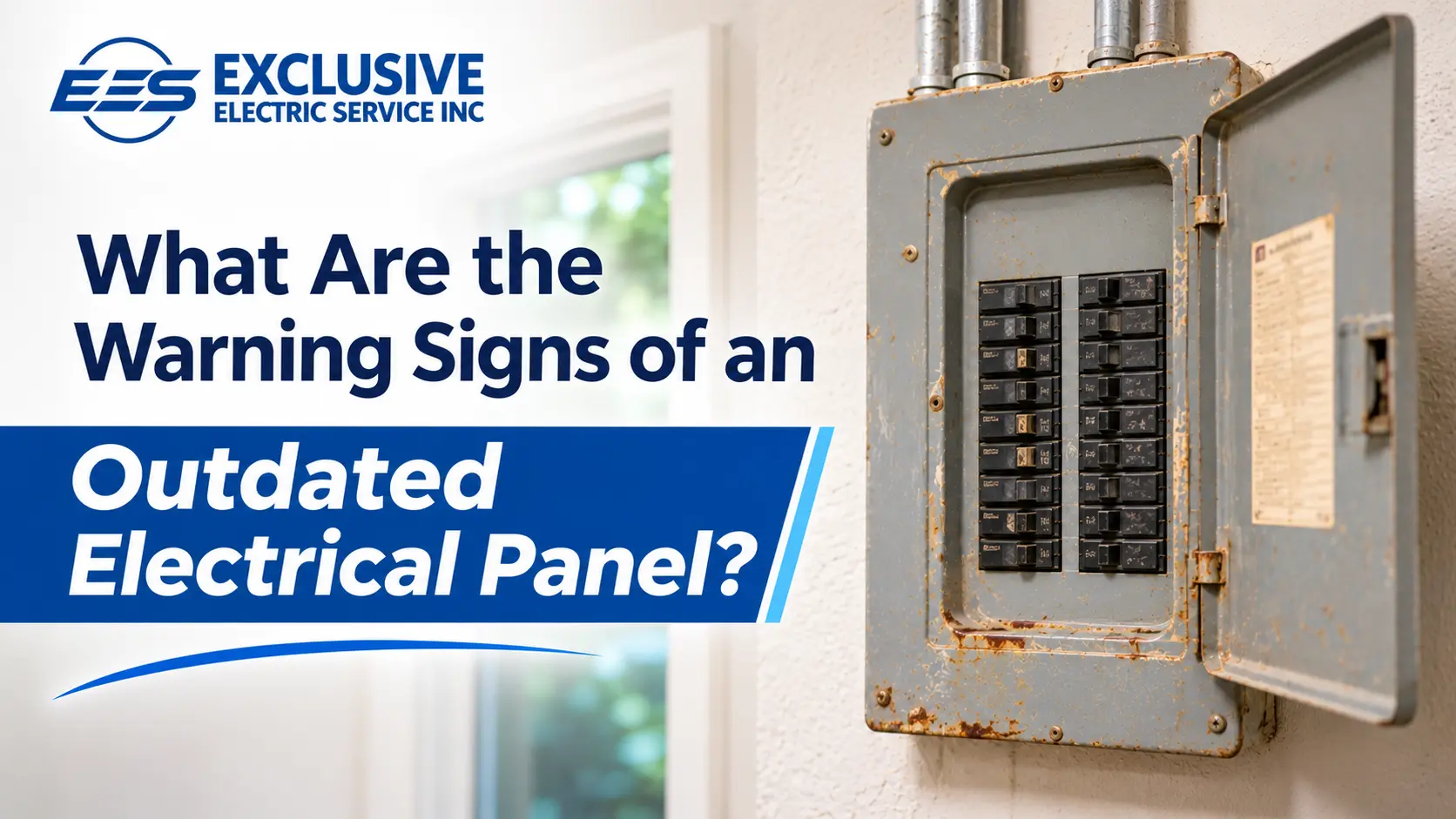
An electrician typically reviews accessible wiring, circuit protection, grounding arrangements, and the electrical panel’s condition. Previous modifications, visible insulation deterioration, and the property’s current electrical demands may also be evaluated.
Depending on the findings, additional testing may be required to identify damaged connections or unsuitable circuits.
The assessment should distinguish between repairs needed for safety and improvements intended to support renovations or new equipment. Applicable electrical codes and local permitting requirements must also be considered before work begins.
For properties with confirmed wiring deficiencies, professional electrical rewiring can address damaged conductors, unsuitable circuits, and necessary system improvements without automatically replacing wiring that remains serviceable.
Frequently Asked Questions
How Old Should a House Be Before Rewiring Is Considered?
There is no fixed age requiring rewiring. Older homes should be assessed based on wiring materials, insulation condition, previous repairs, grounding, and current electrical demands.
Can an Older Home Be Safe Without Complete Rewiring?
Yes. Existing wiring may remain suitable or require only targeted repairs. A qualified inspection helps determine which improvements are necessary.
Is Cloth-Insulated Wiring Always Unsafe?
Not automatically. However, deterioration, damaged insulation, and unsuitable modifications can create hazards. The wiring’s actual condition should determine whether replacement is required.
Does Rewiring Require Replacing the Electrical Panel?
Not always. The existing panel may remain suitable if its condition, capacity, and compatibility support the proposed wiring improvements.
Can Aluminum Wiring Be Repaired Without Complete Replacement?
Certain older aluminum branch circuit installations may be addressed through permanent repair methods recognized by the CPSC. The appropriate solution requires professional evaluation.
Final Thoughts: Let the Wiring Condition Guide the Decision
Older electrical systems deserve attention when insulation deteriorates, grounding is inadequate, or recurring problems suggest unsafe connections. However, replacing every circuit simply because a house is old may lead to unnecessary work.
A proper inspection helps distinguish isolated defects from broader electrical concerns. For homeowners in Pompano Beach, FL, Exclusive Electric Service Inc. offers electrical wiring and rewiring services to address aging installations and changing household needs. Understanding the condition of the existing system is the first step toward choosing the right improvements.