The lights suddenly go out while the microwave is running, or a bedroom loses power when a space heater is switched on. A quick check of the electrical panel reveals a tripped circuit breaker. Resetting it restores electricity, but the same problem occurs again a few hours later. What seems like a minor inconvenience may indicate an underlying electrical issue.
When a circuit breaker keeps tripping, the electrical system is usually responding to an overload or another fault. Damaged wiring, faulty appliances, and deteriorating electrical components can also cause repeated interruptions. Understanding these problems helps homeowners recognize warning signs, make safe observations, and determine when professional electrical troubleshooting is necessary.
What Happens When a Circuit Breaker Trips?
A circuit breaker is a protective device that interrupts electricity when certain unsafe conditions occur. Standard breakers respond primarily to excessive current caused by overloaded circuits or short circuits, helping prevent electrical wiring from overheating.
A breaker that trips after several high-powered appliances operate simultaneously may be functioning correctly. However, repeated trips suggest a problem requiring attention. Specialized breakers, including arc fault circuit interrupters (AFCIs) and ground fault circuit interrupters (GFCIs), also respond to specific electrical hazards.
Important distinction: A tripping breaker is not necessarily defective. Replacing it without identifying the cause may leave damaged wiring, an overloaded circuit, or a faulty appliance unresolved.
Five Common Reasons a Circuit Breaker Keeps Tripping
Several electrical problems can produce similar symptoms. The timing of a trip and the equipment operating when it occurs may provide clues, but proper electrical testing is often necessary to confirm the cause.
Too Many Appliances on One Circuit
An overloaded circuit occurs when connected equipment draws more current than the circuit can safely carry. Running a space heater, hair dryer, or several other high-powered devices simultaneously may exceed its capacity.
The breaker disconnects electricity to protect the wiring from overheating. If disconnecting some appliances prevents further trips, an overload may be responsible. However, recurring interruptions during ordinary household activities may indicate that the circuit needs professional evaluation.
A Short Circuit in the Wiring
A short circuit occurs when electricity travels through an unintended low-resistance path, such as when a hot conductor contacts a neutral conductor. This can produce a sudden increase in current and cause the breaker to trip rapidly.
Damaged insulation, faulty equipment, or deteriorating connections may contribute to short circuits. Because these faults can generate intense heat and electrical arcing, a breaker that trips immediately after resetting should remain off until the circuit has been inspected.
A Ground Fault or Arc Fault
A ground fault occurs when electrical current follows an unintended path, potentially through grounded equipment or a person. GFCI breakers detect certain current imbalances and disconnect electricity to reduce shock risks.
An arc fault involves unintended electrical arcing caused by conditions such as damaged conductors or faulty connections. AFCI breakers provide additional protection against these hazards.
Both protective devices may trip even when appliances are not drawing excessive current. Moisture exposure, damaged cords, or deteriorating wiring may be responsible.
A Faulty Appliance or Electrical Device
Sometimes the problem originates inside an appliance rather than the home’s electrical wiring. Refrigerators, washing machines, air conditioners, and other equipment can develop faults that cause breakers to trip.
The timing may offer a useful clue. For example, if a breaker trips whenever a particular appliance starts, the equipment or its circuit may need inspection. The appliance should not be used repeatedly to test the problem, since doing so may expose damaged components to additional electrical stress.
A Worn Breaker or Electrical Panel Problem
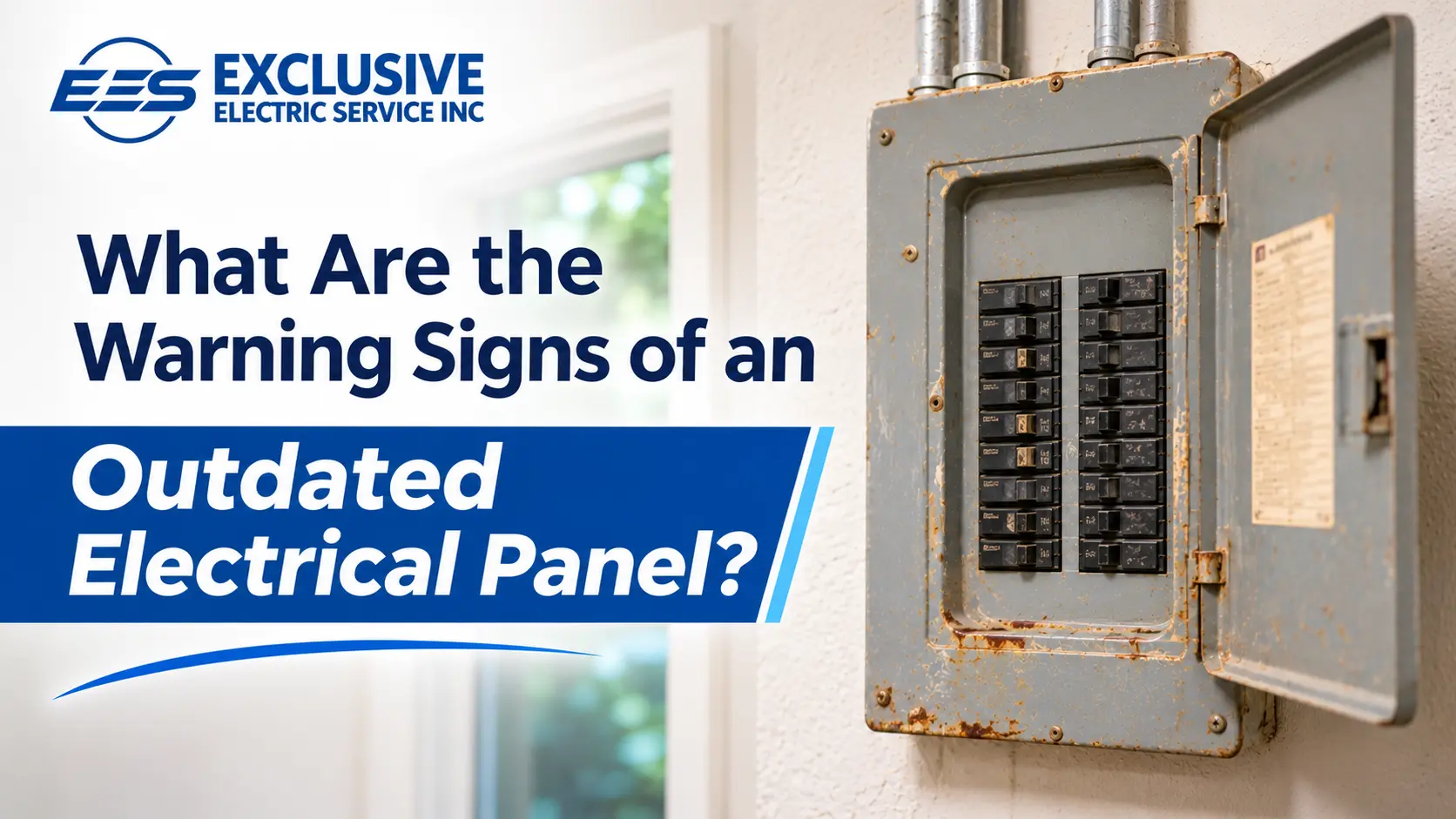
Circuit breakers can deteriorate through age, repeated operation, or overheating. Damaged electrical panel connections may also affect their performance.
However, frequent tripping does not automatically mean the breaker has failed. A qualified electrician should determine whether the protective device is defective or correctly responding to another problem.
Replacing a breaker with a higher-amperage model is not a safe shortcut because the circuit wiring must be appropriately rated for the installed protection.
What Should Homeowners Check After a Breaker Trips?
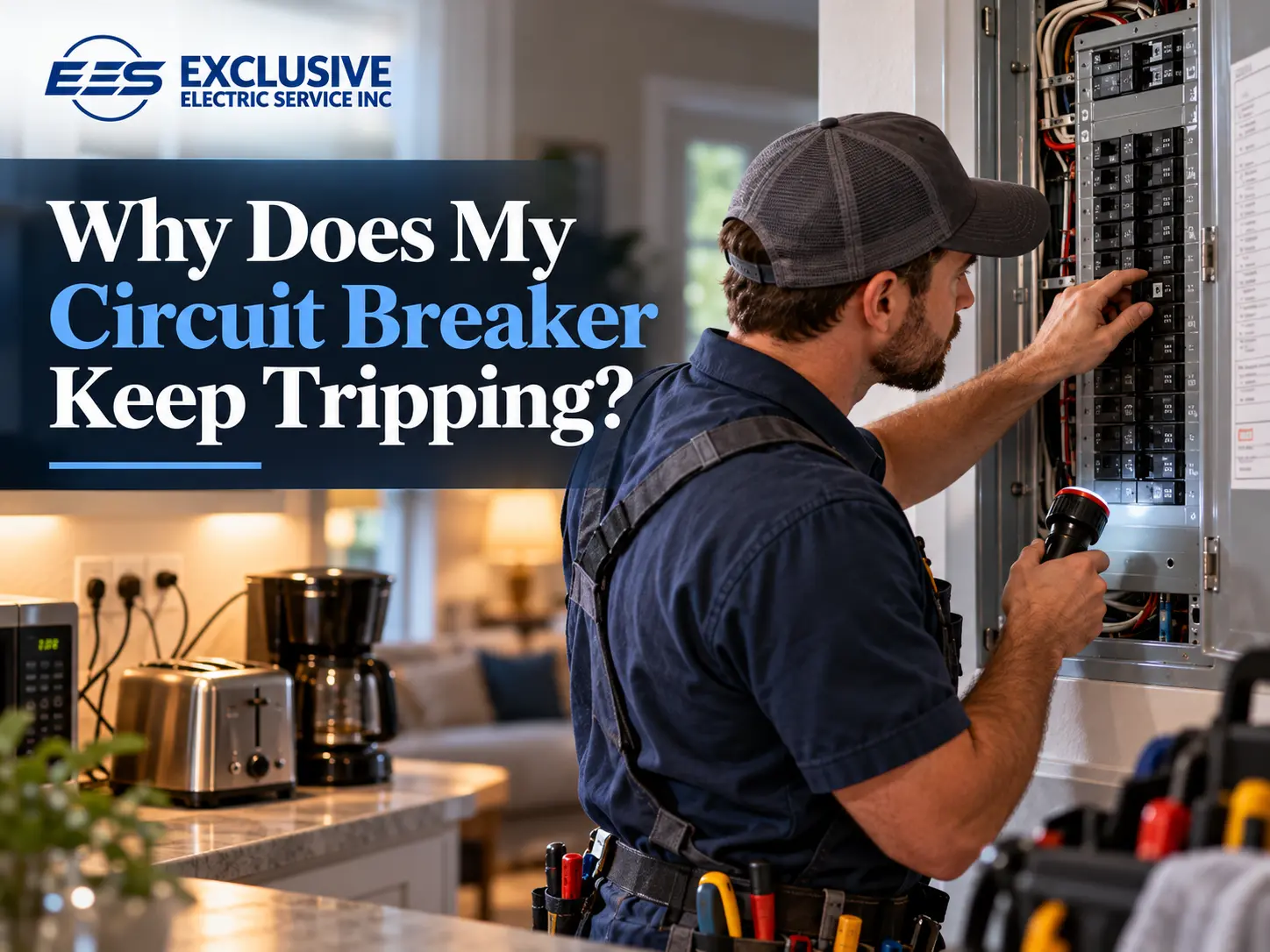
The safest approach is to observe what happened and rule out obvious appliance-related problems without opening electrical equipment. Basic checks can provide useful information, but homeowners should avoid handling internal wiring or attempting repairs.
- Identify the affected circuit. Determine which outlets, lights, or appliances lost power. A labeled electrical panel may help identify the responsible breaker.
- Look for warning signs. Check for burning odors, smoke, moisture, visible damage, or unusual sounds. If any are present, stay away from the equipment and seek professional assistance.
- Disconnect accessible appliances. If conditions are safe, unplug or switch off devices connected to the affected circuit to reduce its electrical load.
- Follow the breaker reset instructions. If no hazards are present, follow the manufacturer’s procedure. This typically involves moving the breaker fully OFF before returning it to ON.
- Observe whether the problem returns. If the breaker immediately trips again, leave it off and arrange an electrical inspection.
Important Safety Tip: Never hold a breaker in the ON position, bypass its protection, or repeatedly reset it. These actions can leave damaged electrical equipment energized and increase safety risks.
When Is a Tripping Breaker a Serious Electrical Warning?
Repeated trips deserve attention, particularly when accompanied by unusual sounds, heat, or burning odors. Some problems develop gradually, while others indicate faults requiring immediate professional inspection.
| Warning Sign | What It May Indicate |
| Breaker trips immediately after resetting | Persistent electrical fault |
| Burning smell near the panel | Overheated electrical components |
| Buzzing or crackling sounds | Possible arcing or damaged connections |
| Discoloration around the panel | Heat damage requiring inspection |
| Breaker trips when an appliance starts | Equipment fault or circuit overload |
| Breaker trips with appliances unplugged | Wiring, hardwired equipment, or breaker problem |
| Lights dim before the breaker trips | Possible excessive load or electrical fault |
These symptoms help identify potential concerns but do not confirm the exact cause. A professional inspection is necessary when trips continue without an obvious explanation.
Is It Dangerous to Keep Resetting a Breaker?
Repeated resetting can be dangerous because the underlying fault may remain active. Restoring electricity without correcting damaged wiring or equipment can create additional overheating and electrical hazards.
If a breaker trips again after a safe reset, it should remain off. Burning odors, active sparking, or smoke require urgent attention. If smoke or fire is present, occupants should evacuate and contact emergency services.
Why Breakers May Trip More Often in South Florida Homes
Homes in Pompano Beach and surrounding South Florida communities rely heavily on air-conditioning equipment, particularly during warmer months. Electrical problems may become more noticeable when cooling systems operate frequently or additional appliances increase household demand.
An air conditioner that trips its breaker during startup may have an equipment fault, overloaded circuit, or another electrical issue. Professional testing is necessary to determine whether the problem originates in the cooling system or its power supply.
Heavy rainfall, humidity, and coastal conditions can also affect inadequately protected outdoor electrical equipment. However, these environmental factors should not automatically be blamed for repeated breaker trips.
Does a Frequently Tripping Breaker Need Replacement?
A repeatedly tripping breaker does not necessarily require replacement. In many cases, it is performing its intended function by interrupting electricity when an unsafe condition occurs.
Replacement may be appropriate if testing confirms the breaker is defective or damaged. However, an overloaded circuit may require better load distribution or an additional properly designed circuit. Similarly, replacing the breaker will not correct damaged wiring or faulty appliances.
Professional electrical repair services can help identify the source of recurring interruptions and determine the appropriate corrective work.
An electrical panel upgrade may be necessary when the existing installation cannot adequately support the property’s electrical requirements, but breaker trips alone do not establish that need.
How Can Repeated Circuit Breaker Trips Be Prevented?
Preventing unnecessary trips begins with understanding how electricity is distributed throughout the home. High-demand appliances should operate on appropriately designed circuits, and electrical loads should remain within the capacity of the installed wiring and protective devices.
A few practical habits can help:
- Avoid operating several high-wattage appliances on one circuit.
- Replace damaged appliance cords and plugs.
- Never use extension cords as permanent wiring.
- Protect outdoor electrical equipment from moisture.
- Pay attention to recurring power interruptions.
- Arrange electrical inspections when repeated faults occur.
Older homes and properties undergoing renovations may also benefit from an electrical capacity evaluation, particularly when additional major appliances are being installed.
Frequently Asked Questions
Can a Circuit Breaker Trip With Nothing Plugged In?
Yes. Damaged wiring, hardwired equipment, ground faults, or a defective breaker may cause trips even when portable appliances are disconnected.
Why Does My Breaker Trip When the Air Conditioner Starts?
Possible causes include excessive electrical demand, faulty starting components, or electrical problems within the cooling equipment. Professional diagnosis can identify the cause.
Is It Safe to Reset a Circuit Breaker Multiple Times?
No. A breaker that repeatedly trips should remain off until the underlying problem is identified and corrected.
Can a Circuit Breaker Go Bad Over Time?
Yes. Breakers can deteriorate or become damaged, but repeated trips may also indicate that the device is responding correctly to an electrical fault.
Does a Tripping Breaker Mean the Electrical Panel Needs an Upgrade?
Not necessarily. Overloaded circuits, faulty appliances, and damaged wiring can cause trips in otherwise suitable panels. An upgrade should be based on the system’s condition and capacity.
Final Thoughts: Address the Cause, Not Just the Breaker
A circuit breaker that repeatedly shuts off power may be warning of an overloaded circuit, damaged wiring, faulty appliance, or deteriorating electrical component. The breaker itself is not always the problem.
For homeowners in Pompano Beach and nearby South Florida communities, recognizing warning signs and arranging timely electrical troubleshooting can help address faults before they create more serious concerns. Identifying the actual cause, rather than repeatedly resetting or replacing the breaker, remains the safest approach.